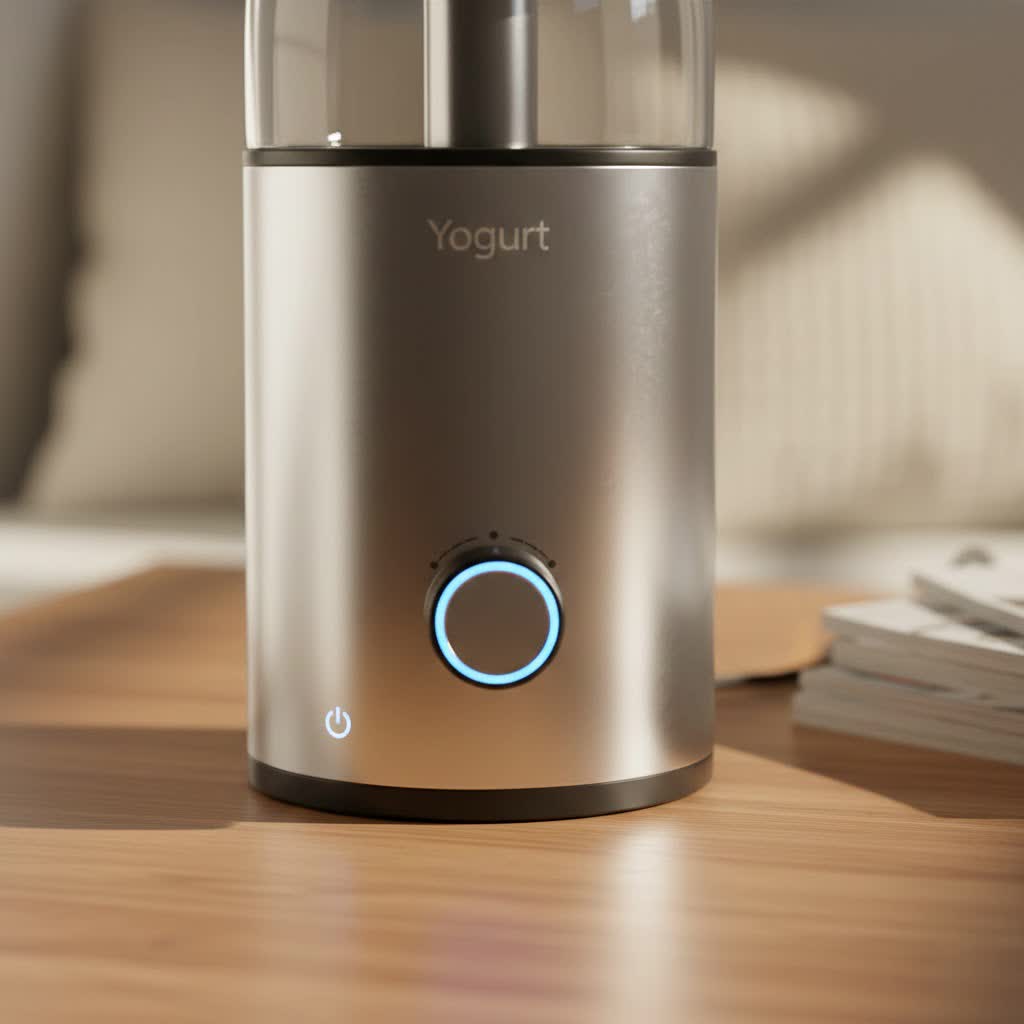
Tired of store-bought yogurt filled with added sugars, artificial flavors, and preservatives? Imagine a world where your yogurt is fresh, natural, and customized to your exact preferences. Euro Cuisine Yogurt Makers offer a simple and effective solution to bring this vision to your kitchen, empowering you to create delicious, probiotic-rich homemade yogurt with ease. This comprehensive guide will walk you through everything you need to know about Euro Cuisine models, from understanding their benefits to mastering the art of homemade yogurt, ensuring you make the best choice for your healthy lifestyle.
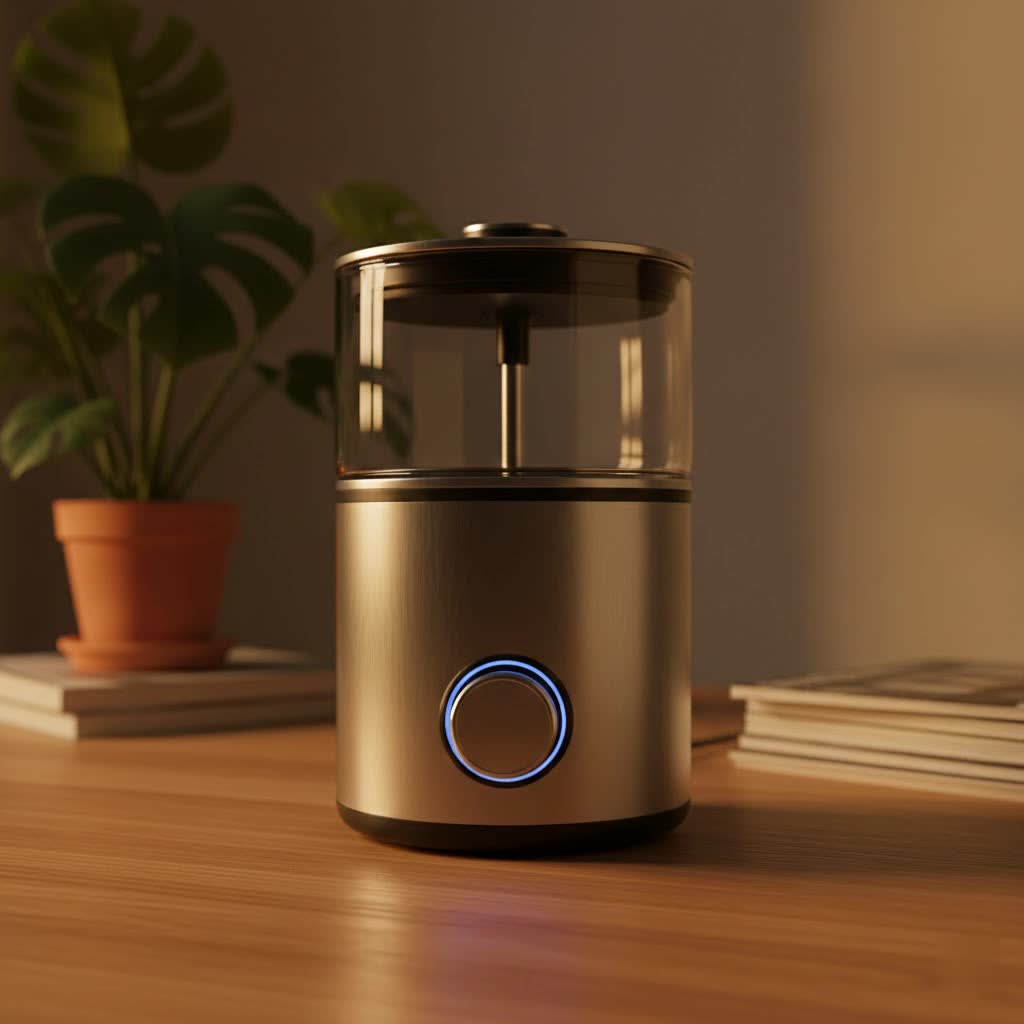
Euro Cuisine Yogurt Makers: Your Gateway to Homemade Goodness
At its core, a Euro Cuisine yogurt maker is a dedicated appliance designed to maintain the ideal temperature for milk fermentation, transforming simple ingredients into creamy, tangy yogurt. But why invest in one when store shelves are overflowing with options? The answer lies in the unparalleled control and numerous benefits that homemade yogurt brings.
Making your own yogurt at home allows you to take charge of every single ingredient. You can select your preferred milk type—whether it’s whole, skim, almond, or soy—and choose your starter culture, ensuring a product free from unwanted additives, artificial sweeteners, or thickeners often found in commercial varieties. This level of control not only makes for a healthier snack but can also be significantly more cost-effective in the long run. Beyond health and savings, homemade yogurt simply tastes fresher, offering a customizable canvas for endless flavor experiments.
Exploring Euro Cuisine’s Popular Yogurt Maker Models
Euro Cuisine offers a range of yogurt makers, each catering to slightly different needs and preferences. Understanding the distinctions between these popular models will help you pinpoint the perfect fit for your kitchen.
-
Euro Cuisine YM80 Electric Yogurt Maker (The Classic Starter)
This model is a favorite for its straightforward operation and affordability. The YM80 features a simple on/off switch, making it incredibly easy to use even for beginners. It typically comes with seven 6-ounce individual glass jars, allowing you to prepare up to 42 ounces of yogurt in a single batch. Its compact design ensures it won’t take up excessive counter space. However, it’s important to note that the YM80 usually lacks a built-in timer or automatic shut-off feature, requiring you to manually monitor the fermentation time or use an external timer. This makes it ideal for those who prefer a no-frills approach and don’t mind a little manual involvement. -
Euro Cuisine YM100 / YMX650 Automatic Digital Yogurt Maker (The Convenient Upgrade)
For those seeking more automation, the YM100 and YMX650 models (often variations of a similar design) offer enhanced convenience. These digital yogurt makers typically include a built-in timer, allowing you to set the desired fermentation duration (often up to 15 hours). Crucially, they also feature an automatic shut-off function, which stops the incubation process once the set time expires, preventing over-fermentation and ensuring a consistent result even if you’re not around to turn it off. Like the YM80, they usually come with seven individual 6-ounce glass jars, with some YMX650 models even featuring date-setting lids for easy tracking of freshness. While slightly higher in price than the YM80, the added automation can be a significant advantage for busy individuals. -
Euro Cuisine Greek Yogurt Maker (GY50) (The Specialized Strainer)
If you’re a fan of the thick, creamy texture of Greek yogurt, Euro Cuisine also offers specialized solutions like the GY50 Greek Yogurt Maker. While not a fermenting machine itself, this accessory is designed to work in conjunction with your existing yogurt maker. It typically includes a large capacity strainer, often with a fine-mesh cotton bag, which allows you to easily separate the whey from regular homemade yogurt, resulting in a denser, protein-rich Greek yogurt. Some yogurt makers might even be bundled with such straining accessories.
|
Our Picks for the Best Yogurt Maker in 2026
We may earn a commission when you use one of our links to make a purchase.
|
||
| Num | Product | Action |
|---|---|---|
| 1 | GDOR Yogurt Maker with Adjustable Temp & Timer– Probiotic-Rich – Digital Greek Yogurt Machine with 8×6oz BPA-Free Glass Jars, Easy to Use for Home, Stainless Steel |

|
| 2 | Suteck Yogurt Maker - Stainless Steel Yogurt Makers with Adjustable Time & Temp Control,Automatic Shut-Off & Constant Temper for Homemade Greek, Probiotic Yogurt, BPA-Free 8 Glass Jars (48 oz), Black |
|
| 3 | Yogurt Maker with Two Containers, Yogurt Maker Machine with Adjustable Temperature & Time Control, Automatic Shut-Off & Constant Temper for Homemade Probiotic Yogurt, Promoting Gut Health |
|
| 4 | Yogurt Maker Machine with 3 Functions (Yogurt, Rice Wine & Natto), Adjustable Temperature & Time Control, 1.2L Capacity, Automatic Shut-Off & PTC Heating for Homemade Probiotic & Greek Yogurt |
|
| 5 | Suteck Yogurt Maker - Stainless Steel Yogurt Makers with Adjustable Time & Temp Control,Automatic Shut-Off & Constant Temper for Homemade Greek, Probiotic Yogurt, BPA-Free 2 Yogurt Bowls (2 Quart) |
|
| 6 | Yogurt Maker with Adjustable Temperature & 48H Timer - 6 Glass Jars for Homemade Probiotic Yogurt, for Family Wellness & Healthy Diet Lovers |
|
| 7 | Euro Cuisine YM80 Electric Yogurt Maker Machine- Promote Gut Health with Probiotic Rich Homemade Yogurt -Home Yogurt Incubator with Glass Jars, White |
|
| 8 | Yogurt Maker with Timer and Temperature Control, Fully Automatic for Home Use. Perfect for Making Greek Yogurt and Probiotic Yogurt, Equipped with an Automatic Shut-off Function |
|
| 9 | Stainless Steel Yogurt Maker with 1 Quart Glass Jar and Complete Recipe Book to Make 12+ Easy Homemade Dairy Free and Milk Yogurts |
|
| 10 | 5L Black Garlic Fermenter, Yogurt Maker with Adjustable Temperature & Time Control,Garlics Maker Multi, Clove Garlic Cooker, Kimchi machine,Sweet Rice Wine Maker Full Automatic,Natto Makers |
|
Feature Comparison: Euro Cuisine Yogurt Makers at a Glance
To help you visualize the differences, here’s a quick comparison of the primary features across popular Euro Cuisine yogurt maker types:
| Feature | Euro Cuisine YM80 (Electric) | Euro Cuisine YM100/YMX650 (Automatic Digital) | Euro Cuisine Greek Yogurt Maker (GY50) |
|---|---|---|---|
| Type | Basic Electric Fermenter | Automated Digital Fermenter | Yogurt Straining System |
| Primary Function | Incubates milk for yogurt | Incubates milk for yogurt | Strains regular yogurt into Greek yogurt |
| Capacity | 7 x 6oz jars (42 oz total) | 7 x 6oz jars (42 oz total) | Varies, often 2 quarts or more |
| Timer | Manual (no built-in timer) | Digital, up to 15 hours | Not applicable |
| Auto Shut-off | No | Yes | Not applicable |
| Jars Included | 7 glass jars with lids | 7 glass jars with date-setting lids | No jars, typically a large strainer |
| Ease of Use | Simple on/off, requires external timing | Set-and-forget operation | Simple straining process |
| Price Point | Entry-level, very affordable | Mid-range, good value for automation | Standalone accessory, varies |
Choosing the Right Euro Cuisine Yogurt Maker for Your Kitchen
Selecting the ideal Euro Cuisine yogurt maker involves considering your personal yogurt-making habits and lifestyle. Ask yourself a few key questions to narrow down your options:
- What is your primary use case? Are you making yogurt for yourself, a small family, or a larger household? While the standard 42-ounce capacity across most Euro Cuisine fermenters is suitable for many, consider if you need larger batches or individual servings.
- What type of yogurt do you prefer? If you love regular, pourable yogurt, any model will work. If thick Greek yogurt is your go-to, consider a model that comes with a straining kit or invest in a separate Euro Cuisine Greek Yogurt Maker.
- How much automation do you desire? If you’re comfortable setting an external timer and manually turning off the machine, the YM80 is a cost-effective choice. If you prioritize convenience and precision, the YM100 or YMX650 with its built-in timer and automatic shut-off will be a better fit.
- What’s your budget? Euro Cuisine offers excellent value at various price points. Determine how much you’re willing to spend for the features that matter most to you.
Beyond these considerations, always pay attention to the materials—Euro Cuisine consistently uses glass jars and BPA-free lids, which are important for health and taste. Reading user reviews can also provide valuable insights into real-world performance and durability.
Master Homemade Yogurt: A Step-by-Step Guide with Your Euro Cuisine Maker
Making yogurt with your Euro Cuisine maker is a rewarding process. Follow these simple steps for consistently delicious results:
- Gather Your Ingredients: You’ll need fresh milk (dairy or plant-based) and a good quality starter culture. The starter can be a few tablespoons of plain, store-bought yogurt with live active cultures, or a powdered yogurt starter.
- Prepare Your Equipment: Ensure your Euro Cuisine glass jars and the main lid are clean. No need to sterilize the jars if your milk is pasteurized, but clean is crucial.
- Heat the Milk: Pour your milk into a saucepan and gently heat it to 180°F (about 82°C). This step helps to denature proteins, leading to a thicker yogurt, and eliminates any unwanted bacteria. Stir frequently to prevent scorching.
- Cool the Milk: Remove the milk from the heat and let it cool down to between 100-110°F (38-43°C). This is the ideal temperature for the starter cultures to thrive. You can use a food thermometer to check accuracy. To speed up cooling, place the saucepan in an ice bath.
- Add the Starter: Once the milk has cooled, whisk in your chosen starter culture until it’s fully dissolved and evenly distributed. Be gentle to avoid incorporating too much air.
- Fill the Jars: Carefully pour the milk and starter mixture into the individual glass jars provided with your Euro Cuisine yogurt maker. Do not place the small individual lids on the jars at this stage; only cover them with the main lid of the yogurt maker.
- Incubate: Place the filled, open jars into the base of your Euro Cuisine yogurt maker. Cover the unit with its clear lid.
- For YM80: Plug in the unit and turn it on. Note the start time and set an external timer for 6-12 hours.
- For YM100/YMX650: Set the digital timer for your desired incubation period (e.g., 8 hours). The machine will automatically turn off.
Incubate the yogurt undisturbed for 6 to 12 hours. Shorter times result in milder yogurt, while longer times produce a tangier, thicker consistency.
- Chill and Enjoy: Once incubation is complete, remove the jars from the yogurt maker. Place their individual lids on, and transfer them to the refrigerator. Chill for at least 3-4 hours before serving. This step halts the fermentation process and allows the yogurt to set and thicken further.
Pro Tips for Delicious Homemade Euro Cuisine Yogurt
Elevate your homemade yogurt with these expert tips:
- Quality Ingredients Matter: Always start with fresh, high-quality milk and a vibrant, active starter culture. The fresher your starter, the more robust your yogurt will be.
- Temperature Consistency is Key: Maintaining the correct temperature during the cooling and incubation phases is crucial for successful fermentation. Invest in a reliable thermometer if your maker doesn’t have precise temperature control.
- Experiment with Fermentation Times: Don’t be afraid to adjust incubation times. A shorter time (6-8 hours) yields a milder, thinner yogurt, while 10-12 hours will produce a tangier, thicker result.
- Go Greek! To make Greek yogurt, after chilling, simply spoon your homemade yogurt into a Euro Cuisine Greek yogurt strainer (or a cheesecloth-lined sieve) set over a bowl. Let it drain in the refrigerator for a few hours (or overnight) until it reaches your desired thickness. The liquid drained off is whey, which is rich in nutrients and can be used in smoothies or baking.
- Flavor After Fermentation: For the best results, add fruits, honey, maple syrup, vanilla extract, or other flavorings after the yogurt has finished fermenting and chilled. Adding them beforehand can interfere with the bacterial activity.
Troubleshooting Common Yogurt Making Issues
Even experienced yogurt makers encounter occasional hitches. Here’s how to tackle common problems:
- Yogurt is Too Thin/Runny: This is often due to insufficient fermentation time, a starter culture that isn’t active enough, or the milk being too hot or too cool when the starter was added. Try a longer incubation time or a fresh starter next batch.
- Yogurt is Too Sour/Tangy: This indicates over-fermentation. You’ve either incubated it for too long or used too much starter. Reduce the fermentation time in your next batch.
- Whey Separation (Liquid on Top): A small amount of clear liquid (whey) on top is completely normal, especially with longer fermentation times or lower-fat milks. Simply stir it back in, or drain it off if you prefer a thicker yogurt. Excessive separation, however, might point to over-fermentation or inconsistent temperature.
Care and Maintenance for Your Euro Cuisine Yogurt Maker
Proper care ensures the longevity and performance of your Euro Cuisine appliance.
- Clean After Each Use: Always unplug your yogurt maker and allow it to cool completely before cleaning. The glass jars and their lids are typically dishwasher-safe, making cleanup a breeze.
- Wipe Down the Base: The main heating unit should never be immersed in water. Instead, wipe it clean with a damp cloth and mild detergent, then dry thoroughly.
- Store Properly: Store your yogurt maker and its components in a dry, cool place away from direct sunlight when not in use.
Where to Purchase Your Euro Cuisine Yogurt Maker
Euro Cuisine yogurt makers are widely available, making them easy to acquire. You can typically find them at:
- Major Online Retailers: Websites like Amazon, Walmart, and Target often carry a selection of Euro Cuisine models, frequently offering competitive pricing and customer reviews.
- Specialty Kitchen & Home Appliance Stores: Check local kitchenware shops or larger department stores that stock small kitchen appliances.
- Directly from Euro Cuisine: Visiting the official Euro Cuisine website may also provide purchasing options and information on their full product range.
Important Notes When Using Your Euro Cuisine Yogurt Maker
Always prioritize safety and follow best practices. Read the instruction manual specific to your model before first use. Ensure the machine is placed on a stable, level surface, and keep it out of reach of children. Never operate the machine if it appears damaged.
Conclusion
Embarking on your homemade yogurt journey with a Euro Cuisine yogurt maker is a simple step towards a healthier, more customized diet. These reliable appliances provide the consistent environment needed to transform basic ingredients into delicious, probiotic-rich yogurt, free from artificial additives. Whether you opt for the simplicity of the YM80 or the automation of the YM100/YMX650, you’re gaining the power to control your food, save money, and enjoy unparalleled freshness.
So, what are you waiting for? Invest in a Euro Cuisine yogurt maker today and discover the satisfying joy of crafting your own perfect batch of yogurt. What delicious flavors will you create first?
Frequently Asked Questions
How long does homemade Euro Cuisine yogurt stay fresh in the refrigerator?
Homemade yogurt, when properly stored in airtight containers in the refrigerator, typically stays fresh for about 7 to 10 days. The date-setting lids on some Euro Cuisine models can help you keep track of when it was made.
Can I use plant-based milks like almond or soy milk in my Euro Cuisine yogurt maker?
Yes, you can use various plant-based milks. However, the results may vary in thickness and consistency compared to dairy milk, and you might need to use a specific plant-based yogurt starter or add a thickener to achieve your desired texture.
Do I need to heat the milk before adding the starter culture?
For dairy milk, heating it to 180°F (scalding) and then cooling it to 100-110°F is highly recommended. This process denatures proteins for a thicker yogurt and eliminates competing bacteria. For some plant-based milks, this step might be optional, but generally, it’s a good practice.
What is the main difference between the Euro Cuisine YM80 and the YMX650/YM100 models?
The primary difference lies in automation. The YM80 is a basic model with a simple on/off switch and no built-in timer or automatic shut-off. The YMX650/YM100 models include a digital timer and an automatic shut-off feature, offering more convenience by stopping the fermentation process precisely when desired.
Can I make Greek yogurt with any Euro Cuisine yogurt maker?
Yes, you can make Greek yogurt with any Euro Cuisine fermenter. Once your regular yogurt is made and chilled, you’ll need a separate straining system (like the Euro Cuisine Greek Yogurt Maker accessory or a cheesecloth-lined sieve) to remove the whey and achieve the thicker Greek yogurt consistency.